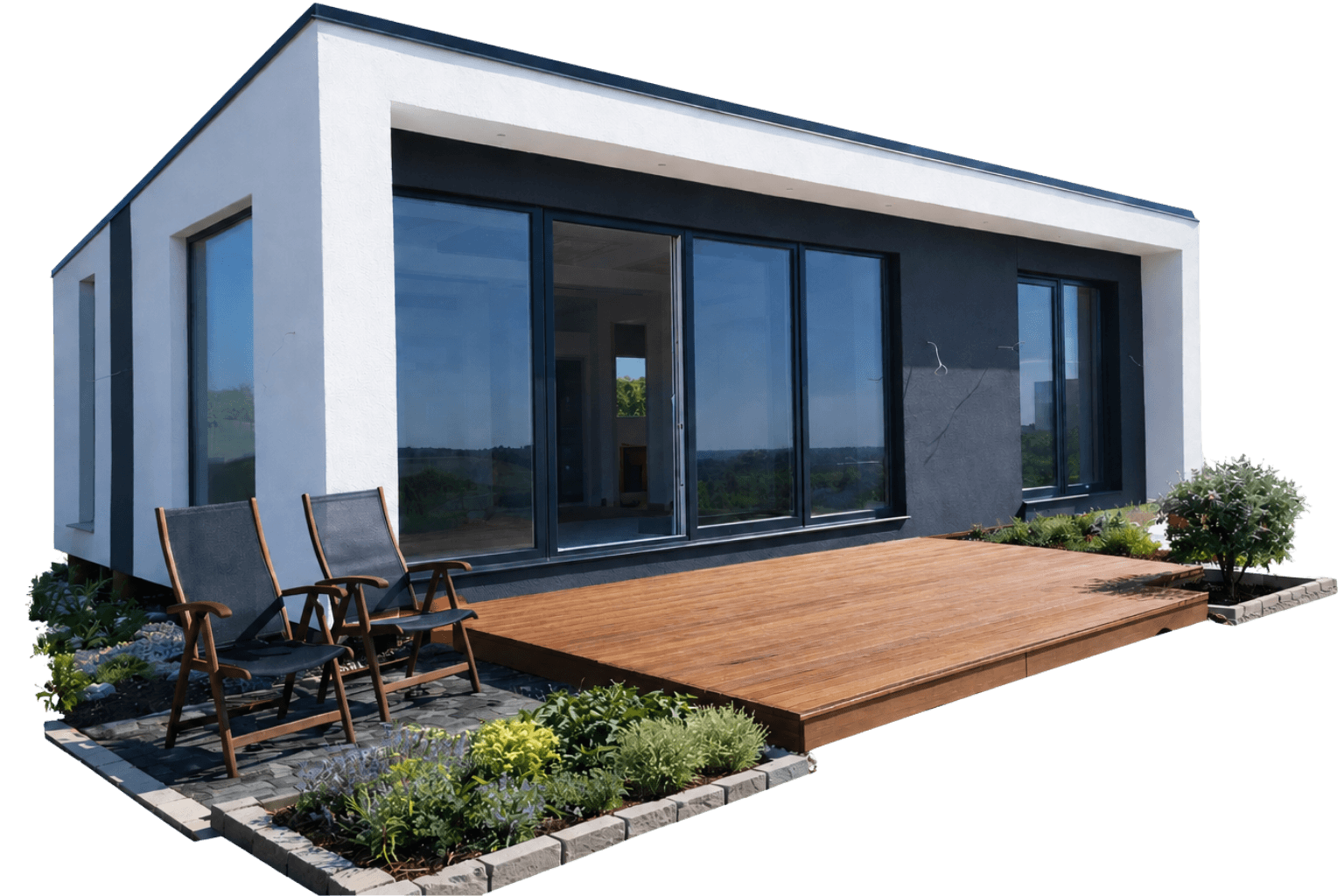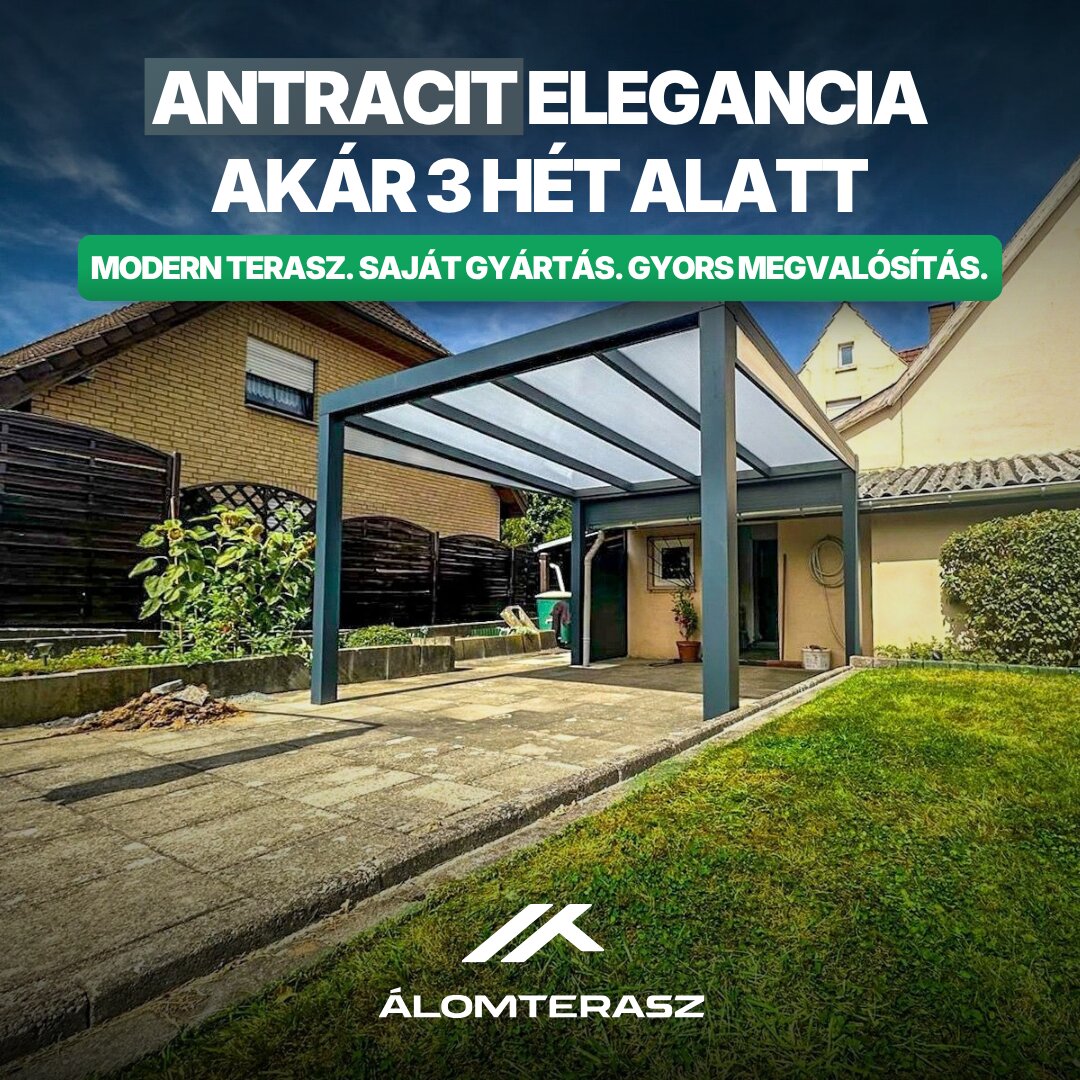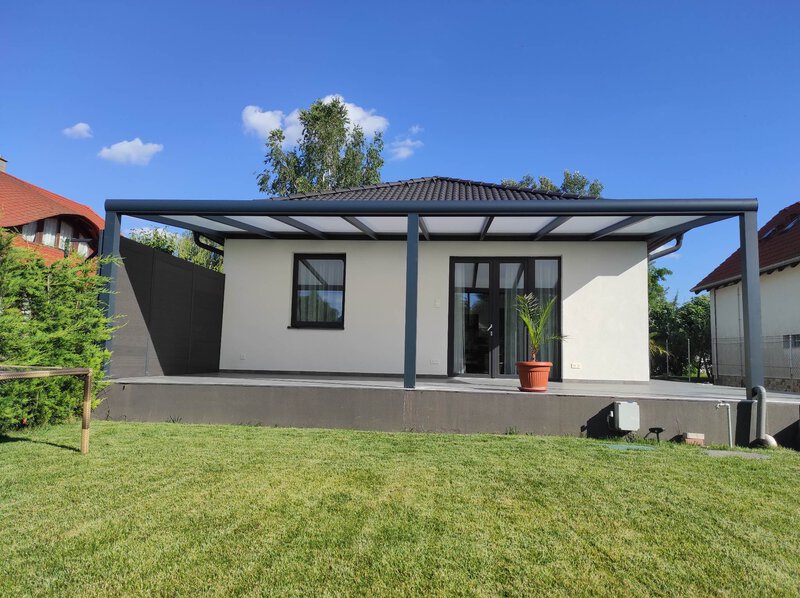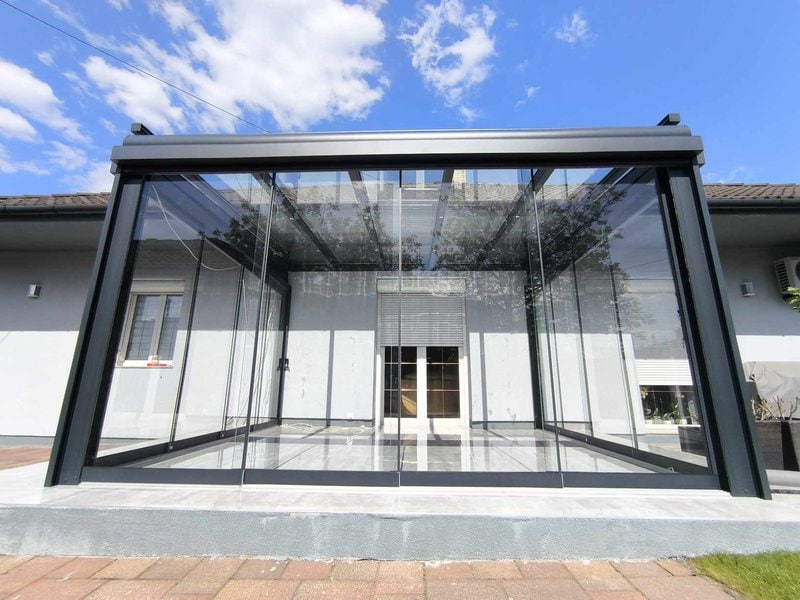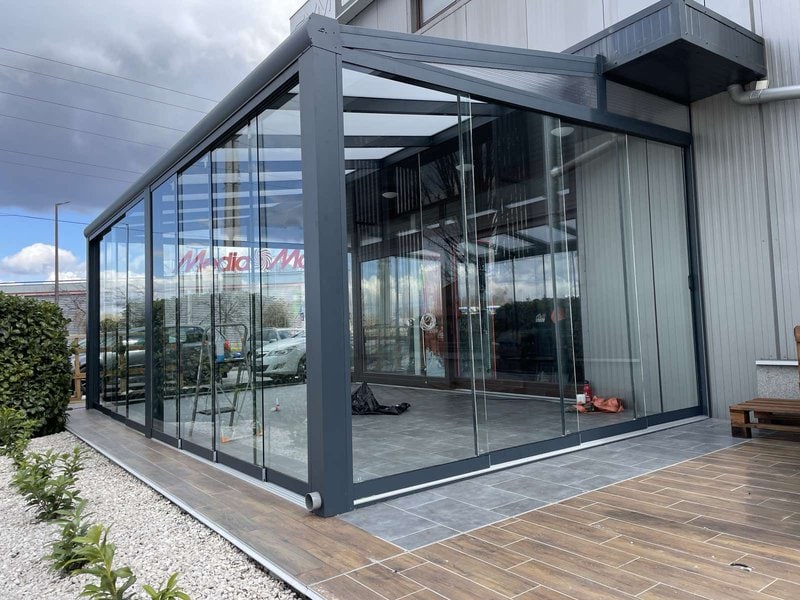
A terrace extension or adapting it is one of the best ways to make your time on the terrace even more enjoyable! Whether it’s a more spacious area, a terrace canopy or conversion into a conservatoryWith this project, you can open up new horizons!
A various solutions, although the choice of materials and the manufacturing technology play a decisive role in determining what the final outcome will be, and whether the terrace will fully meet your needs.
In our latest post, we’re sharing a few useful tips on these topics!
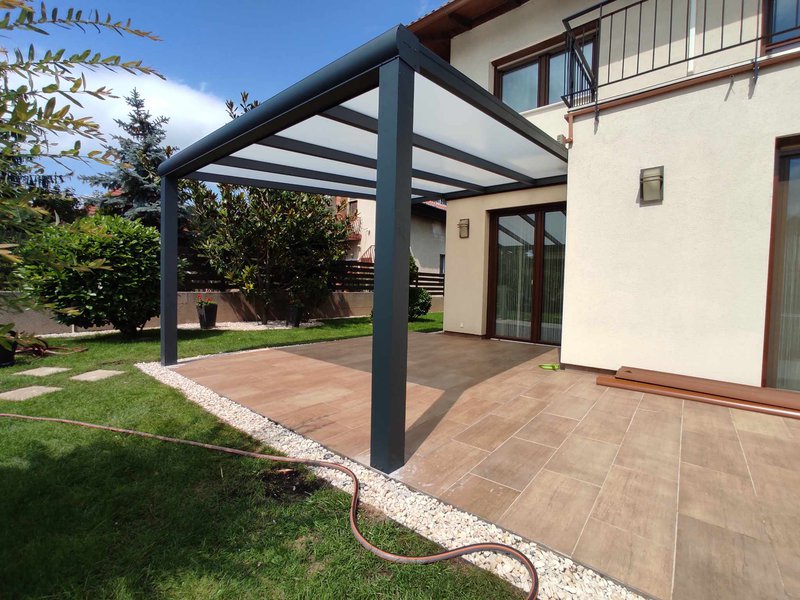
What is the purpose of extending the terrace?
Among the different types of terraces enclosed terrace (=conservatory), open-air terrace, covered terrace and combined terrace can also be found; indeed, building them as freestanding structures is becoming increasingly popular.
Your terrace can be a real garden oasis, an authentic mini-bar and barbecue spot, the family’s favourite „dining area”, or the perfect setting for some quality ‘me-time’.
Only our imagination can set limits on the possibilities – and, of course, our budget. However, whatever our aim in extending or redesigning the terrace, It is important to think through the implementation carefully.
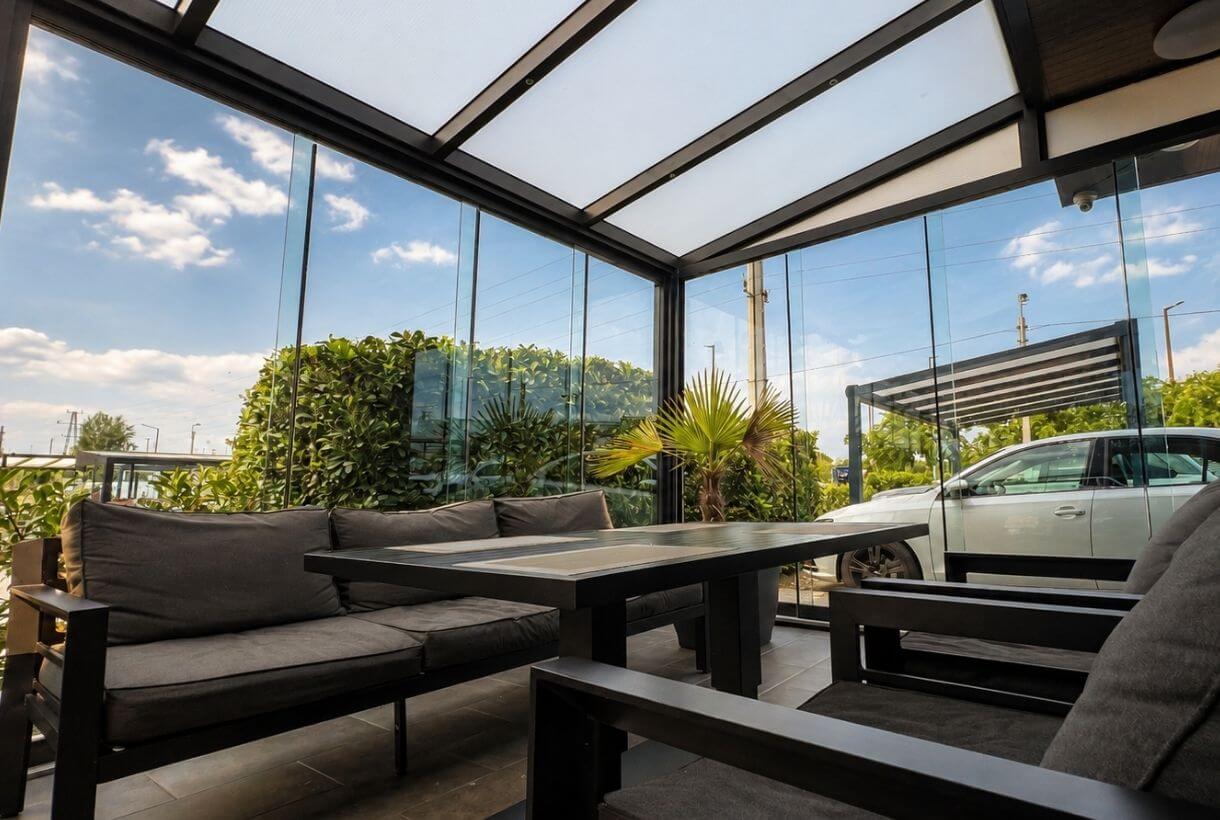
What are the best materials and solutions for extending or converting a terrace?
When building or extending a terrace, polycarbonate, glass, plastic, aluminium, concrete and wood are the most common choices, although If the aim is durability and resilience (and why shouldn’t it be?), then it may be worth giving preference to certain materials.
Below, we outline the most popular structural and finishing materials, as well as, Why do we recommend powder-coated aluminium above all the others?.
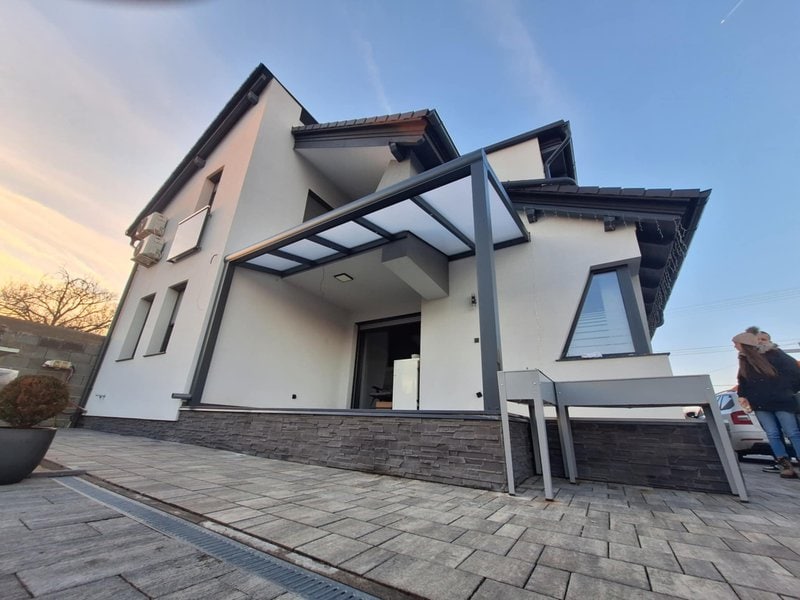
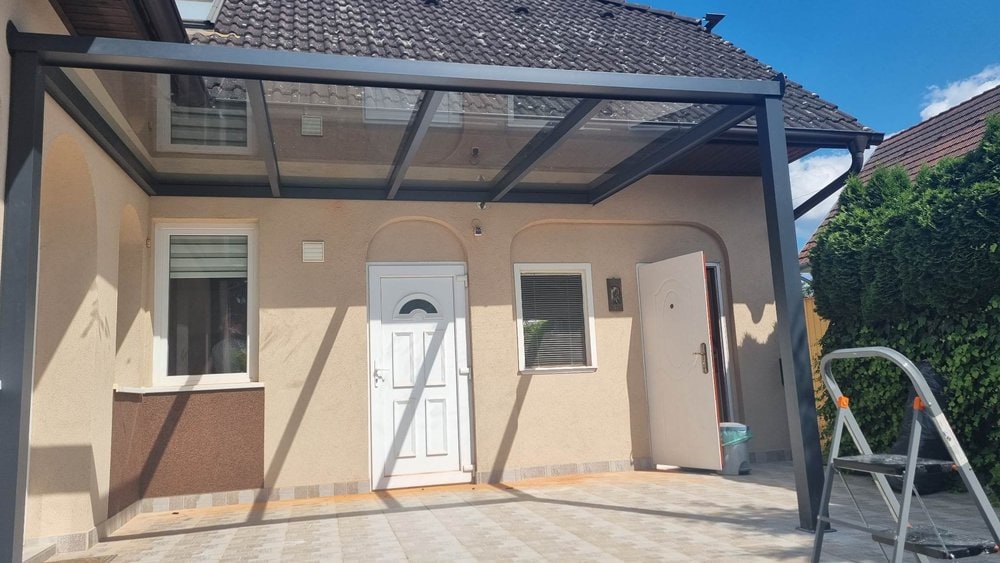
Structural materials
Timber: the natural beauty and warmth of wood make this material particularly appealing for terraces in a rustic or classic style. The downside, however, is that it requires regular maintenance, and even so, it does not necessarily excel in terms of service life.
Concrete: Concrete can provide a good foundation for a stable patio, but the downside is that less aesthetically pleasing and is prone to cracking when exposed to temperature fluctuations.
Powder-coated aluminium: powder-coated aluminium is lightweight, yet extremely strong and durable, making it one of the best options available today for building or extending a terrace. The powder-coated finish provides extra protection against rust, fading and scratches, whilst ensuring an elegant, modern look. It requires minimal maintenance and can withstand extreme weather conditions, making it an excellent long-term solution.
Steel: extremely strong and durable, but it’s harder to work with because of its weight, and what’s more, it is more prone to rust than aluminium.
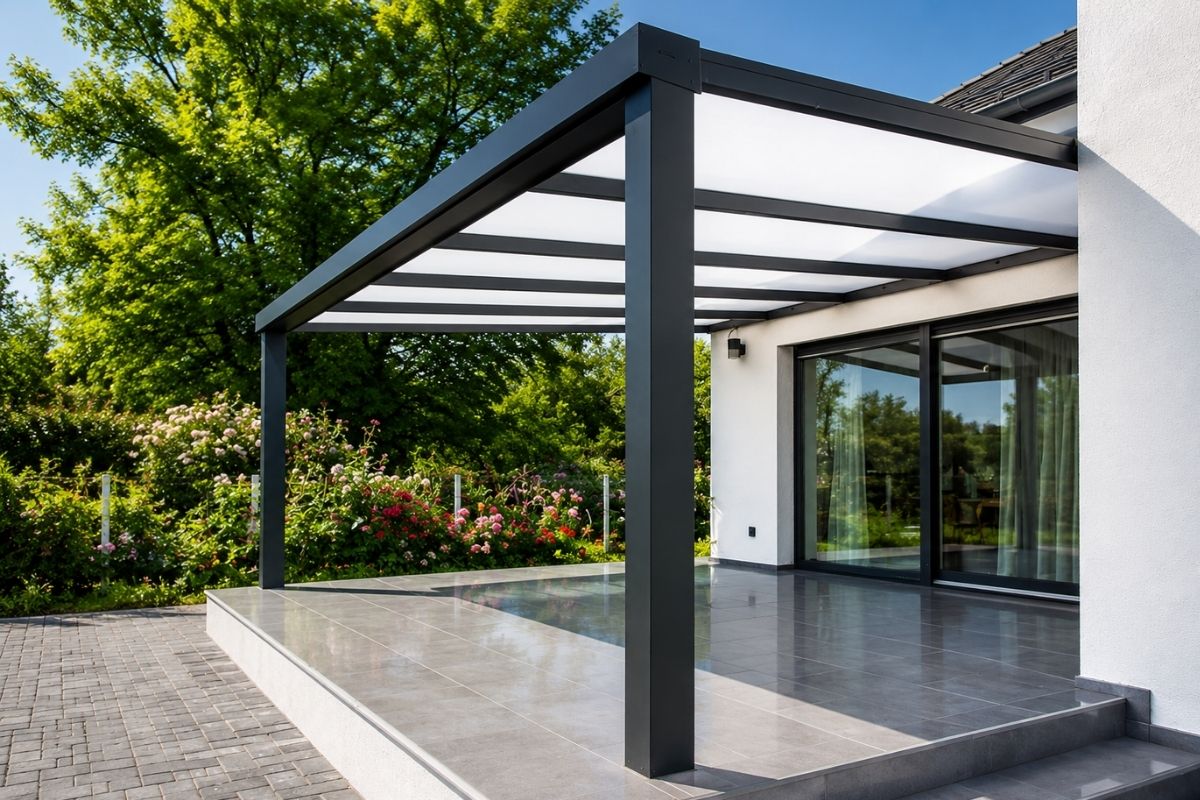
Covering materials: glass or polycarbonate?
Glass lid: it gives the terrace an elegant and modern look, whilst lets in plenty of natural light. Safety glass offers excellent resistance to mechanical impact and adverse weather conditions.
Polycarbonate roofing: a simpler and more flexible solution, which has excellent thermal insulation properties. It is more cost-effective than glass, whilst offers similar protection and an aesthetic experience. It can be an excellent choice for conservatories if the aim is to retain valuable heat.
Roof tiles, shingles: a classic and traditional solution for terraces, although The downside is that it is heavy and not transparent, thereby limiting the amount of natural light that enters.
Generally speaking, when planning a terrace extension, it is worth choosing a solution that suits both the surrounding environment (the style of the house, the garden, etc.) and your personal preferences.
Do I need planning permission to extend my terrace?
In Hungary, the terrace extensionThis may require authorisation, depending on whether the extension to what extent and in what way does it affect the structure of the building, as well as the building regulations.
Extending a terrace usually a planning permission must be applied for if the works involve significant alterations, the installation of new structures (such as walls or a roof), or a change to the external appearance of the building.
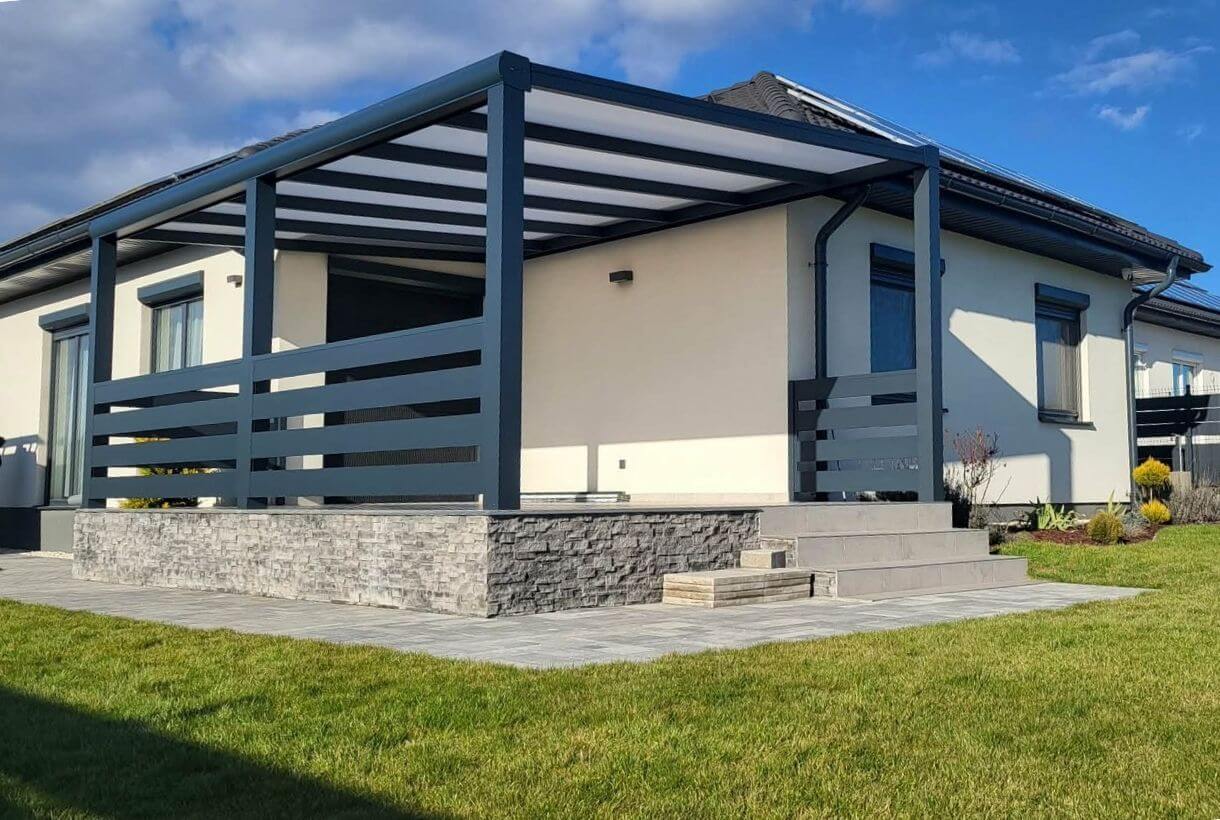
The list of activities that may be carried out without a building permit is set out in Annex 1 to Government Decree No. 312/2012 (8 November). The local council’s planning department can provide information on the specific planning permission procedure.
Although this isn’t strictly advice relating to planning permission, it is, of course, worth taking into account the style of the existing building and the surroundings (such as our garden) during the planning stage, as The terrace must be in harmony with our home, both functionally and aesthetically.