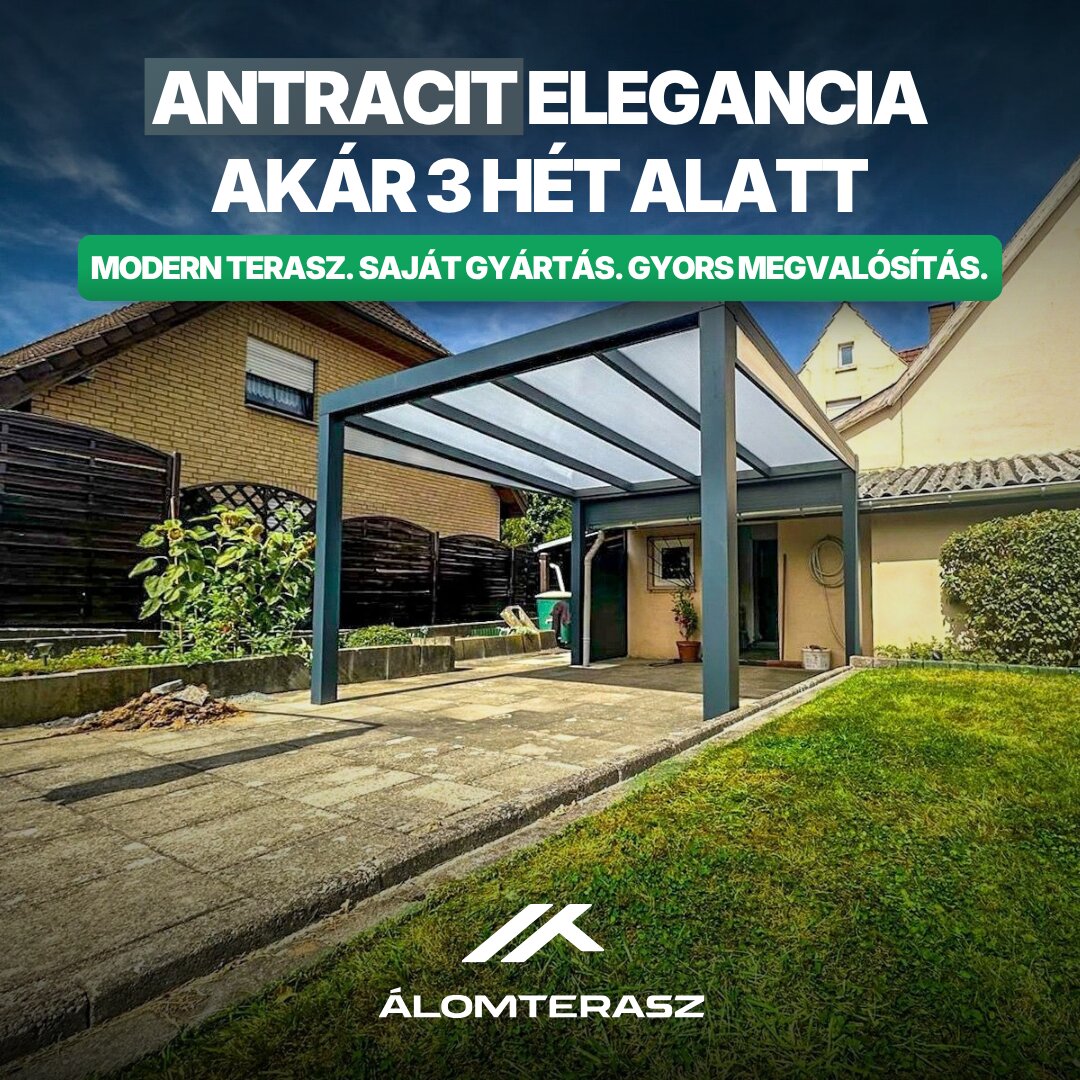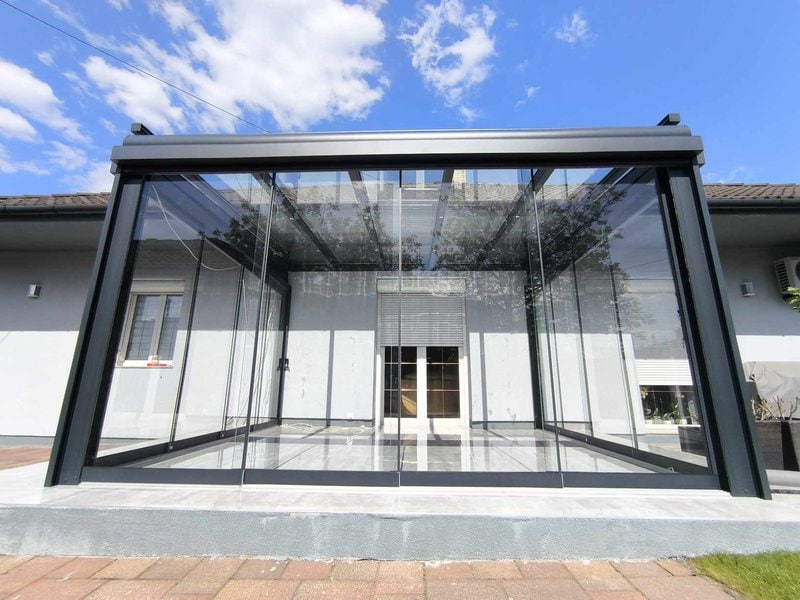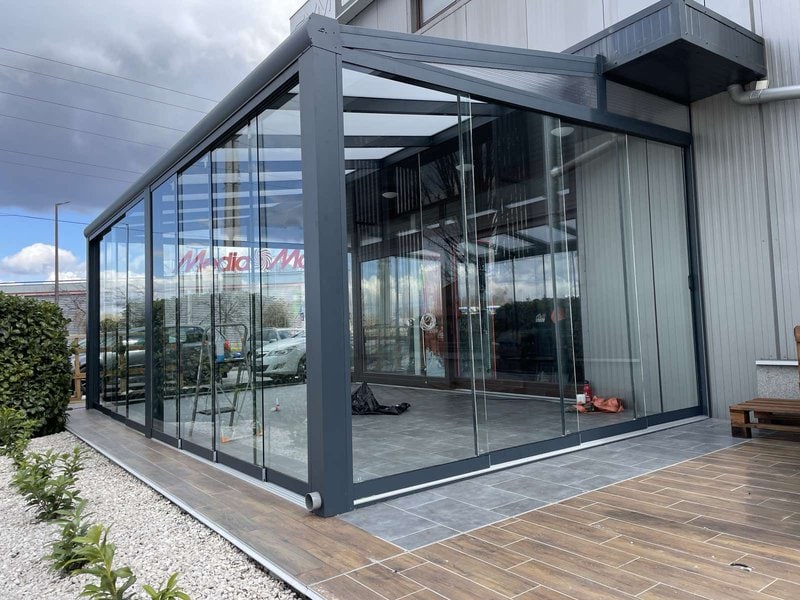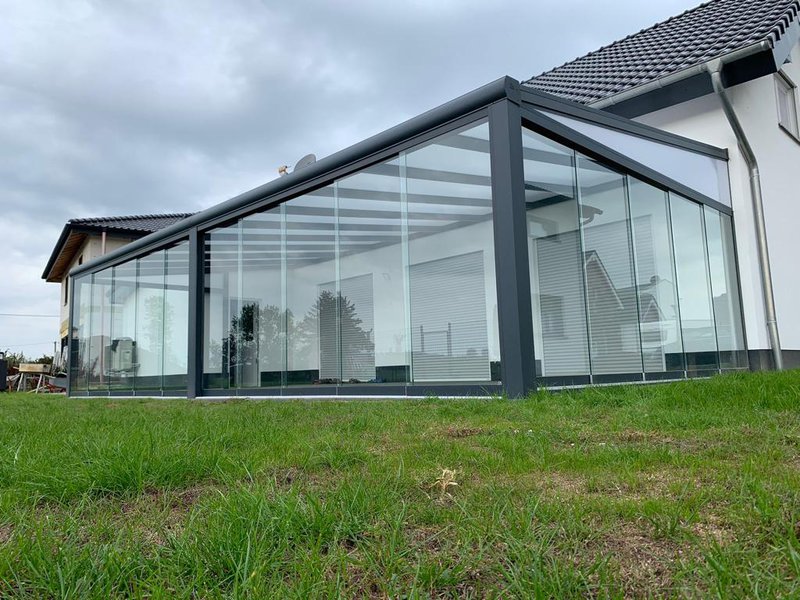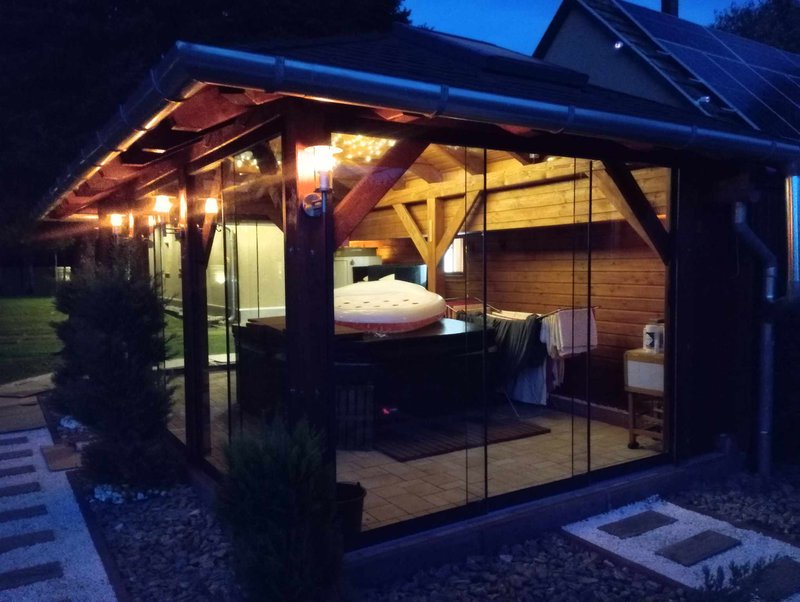
A patio shading Although it may seem simple at first glance, in reality requires a series of important decisions. At least, if we want to be satisfied with the end result.
After all, there’s nothing more unpleasant than when we’re enjoying the fruits of our labour and a well-deserved rest on our terrace, but weather conditions get in the way. But it doesn’t have to be that way!
In our latest post, we’re now sharing the the best alternatives and tips, so you too can have your patio shaded to a professional standard!
"Step zero": let’s think about what we want to use the terrace for
And, of course, what our needs are. After all, there are as many different needs as there are people may arise in connection with a terrace, and the same applies to shading.
For example, some people might want to set up a home office or enjoy family lunches here, whilst others might want to create a mini gym, a bar or even home spa unit they would like to set up the terraceon.
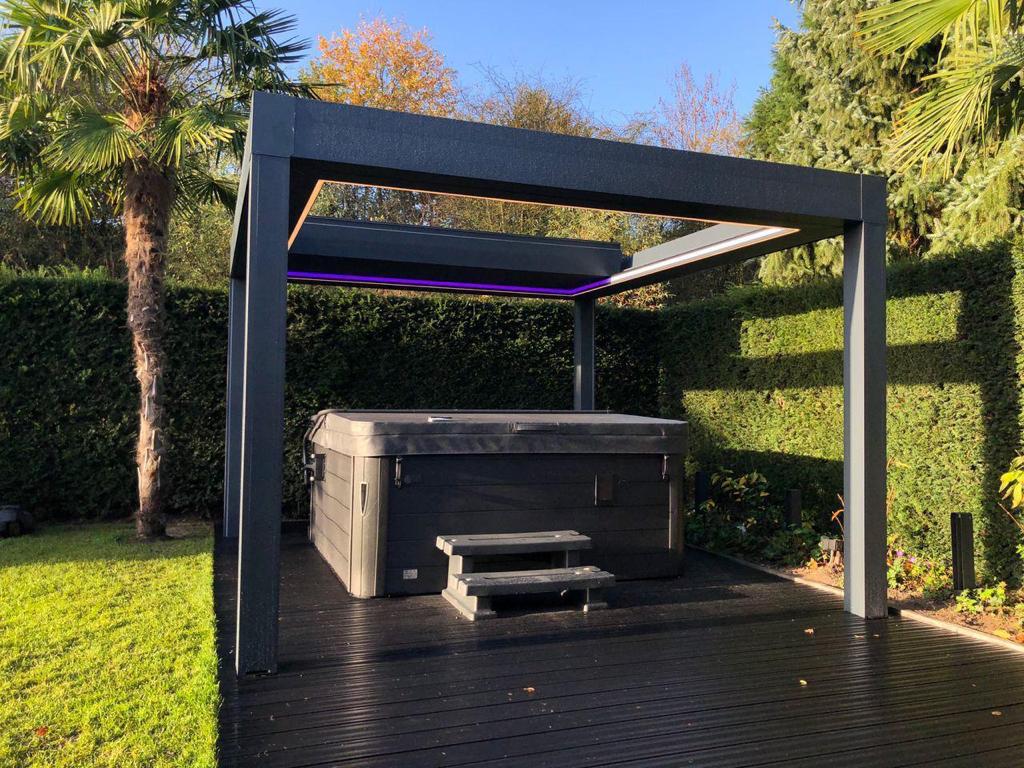
Here are some questions worth asking about shading:
- Which way does the terrace face? In the case of a south- or west-facing orientation, the effectiveness of shading can be particularly important, as the sun can be strong in the afternoons – or even all day long.
- What do we want to use the terrace for, and when? Just in the summer, from spring to autumn, or perhaps all year round? Mainly during the day or in the evenings? For relaxation — or for the reason mentioned above —?
- Would we like to be able to completely keep out the rain and wind, or do we just need some shade? So, do we prefer a fixed or an adjustable system?.
- How important is it to be able to adjust the shading according to the current weather conditions and/or our mood? For example, with a bioclimatic pergola.
- What sort of convenience features are we considering? Lighting, heating (conservatory (in such cases), motorised control, mosquito netting – all these factors influence the type of system we will need.
Shading solutions: sun sails, louvres, folding-arm awnings
When it comes to shade, many people initially think of the simplest and cheapest solutions: a parasol, a stretched canvas or a fabric awning. However, these can have serious drawbacks: a parasol can be blown over by the first strong gust of wind; cheaper canopies fade quickly, get waterlogged, and it lacks the sense of comfort that a fixed structure can provide.
Shading solutions: sun sails, louvres, folding-arm awnings
When it comes to shade, many people initially think of the simplest and cheapest solutions: a parasol, a stretched canvas or a fabric awning. However, these can have serious drawbacks: a parasol can be blown over by the first strong gust of wind; cheaper canopies fade quickly, get waterlogged, and it lacks the sense of comfort that a fixed structure can provide.
Solar sail
A solar sail is a cheap solution, but one that involves a number of compromises. This method of shading suitable, particularly as a temporary solution, as it requires constant tension, is susceptible to wind, and rainwater cannot run off it properly, so over time it can easily sag or become damaged.
Shutters
A shutter it may offer a solution if, for example, conservatory or façade shadingThat’s the point. In the case of a terrace, however, it’s less practical: does not provide protection against rain or wind, and it creates more of an indoor atmosphere than a natural, outdoor experience.
What’s more, the motorised version can be surprisingly expensive, whilst still failing to offer the level of comfort one would expect from such an expensive system.
Arm-style awning
A arm-mounted awning a popular solution, mainly used on balconies (but also on terraces). Relatively easy to use and, in the motorised version, easy to operate.
The downside, however, is that it only provides shade from above and is sensitive to the wind, so it has to be pulled in during stormy weather – just when it’s needed most.
A modern and stylish solution: a bioclimatic pergola
If we don’t want to make any compromises, then one of the best – if not the best – alternatives a bioclimatic pergola will be offering. This is a smart, timeless and functionally flexible solution that provides convenient and modern shading.
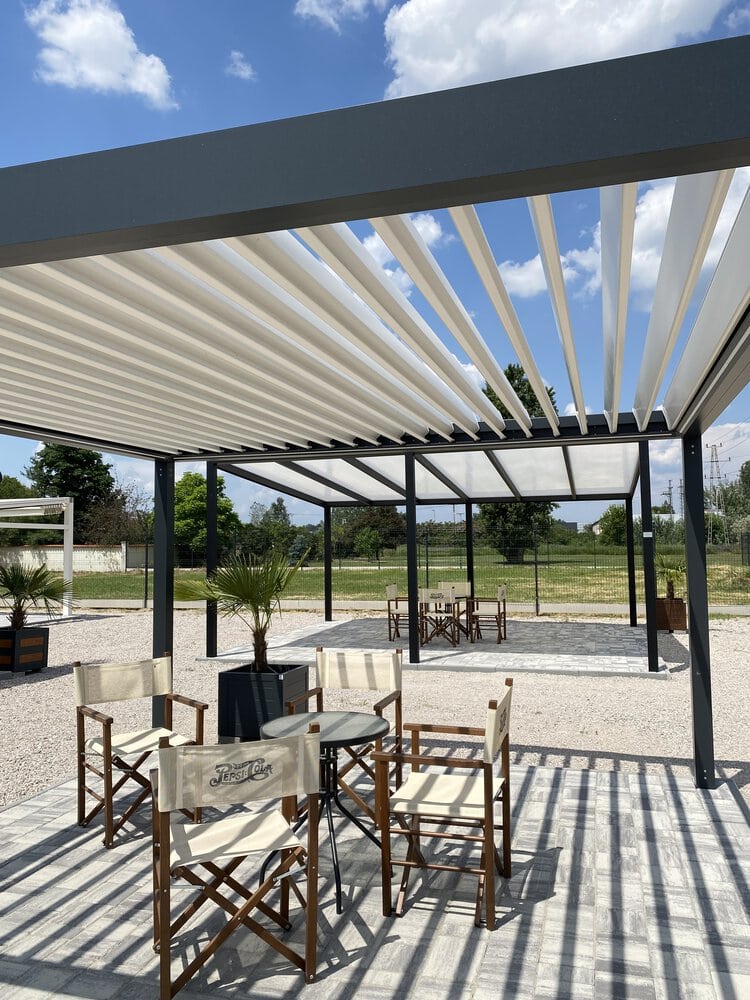
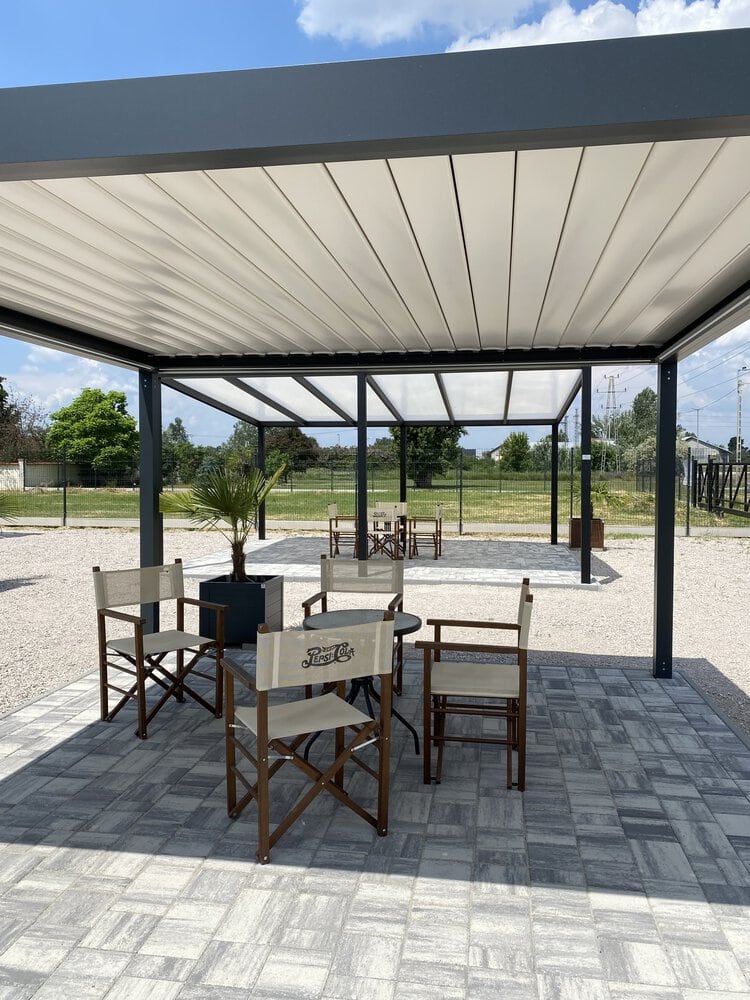
This system is a an extremely sturdy, rust-proof aluminium frame is being built, which could be as long as patio with side walls, and can also be fitted with lighting and heating. In the case of a well-designed, modern terrace, rainwater drainage is provided by the rainwater drainage system concealed within the terrace legs ensures that, which ensures, both effectively and aesthetically, that the terrace remains dry.
The greatest advantage of bioclimatic pergolas, however, naturally lies in their intelligent shading: This is because the amount of sunlight can be adjusted by changing the angle of the slats, and the system can be fully automated, making it easy to control via a smartphone. In fact, even can also be fitted with a rain sensor, thanks to which the slats close automatically when it starts to rain.
 Magyar
  English (UK)
  Deutsch
  Slovenčina