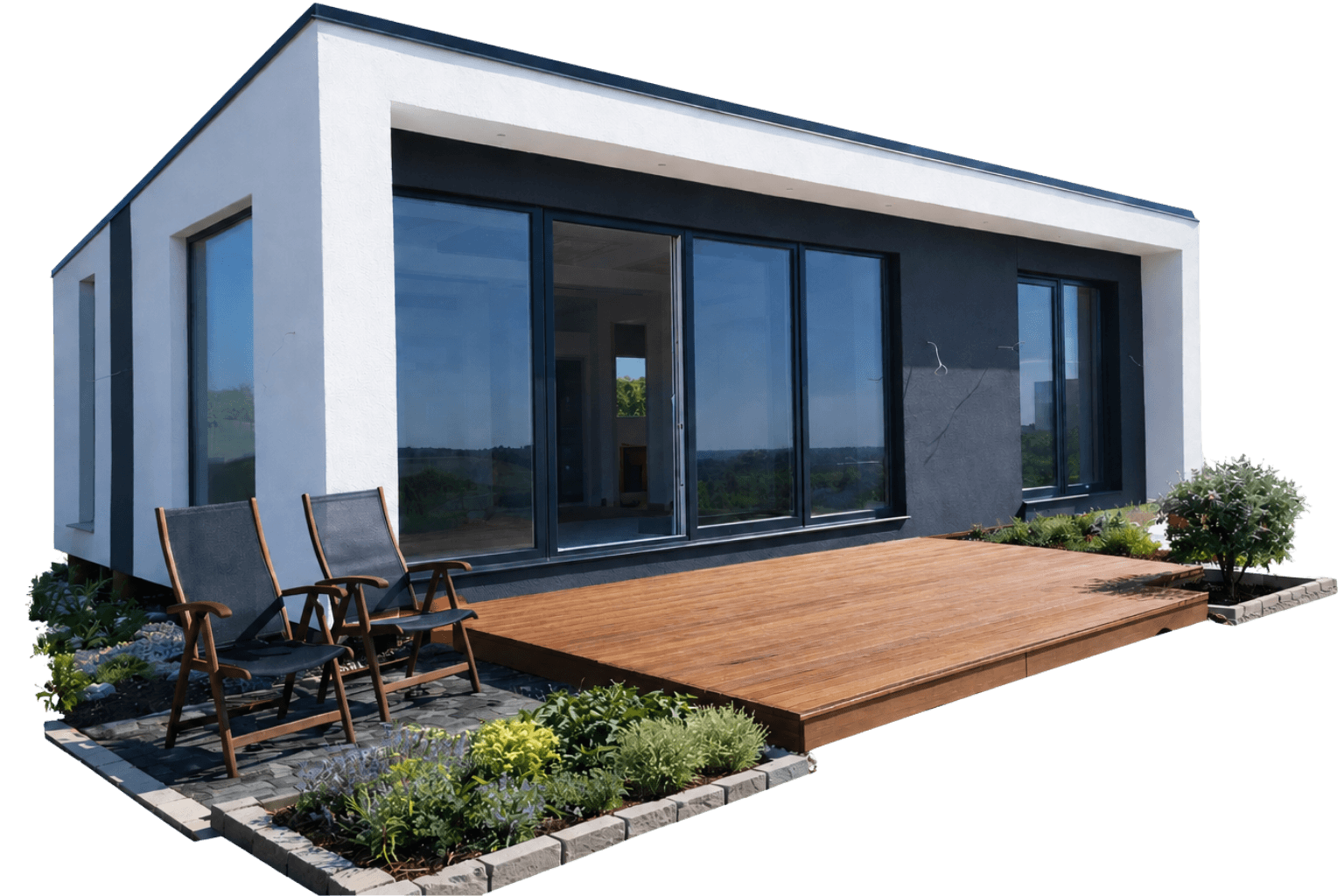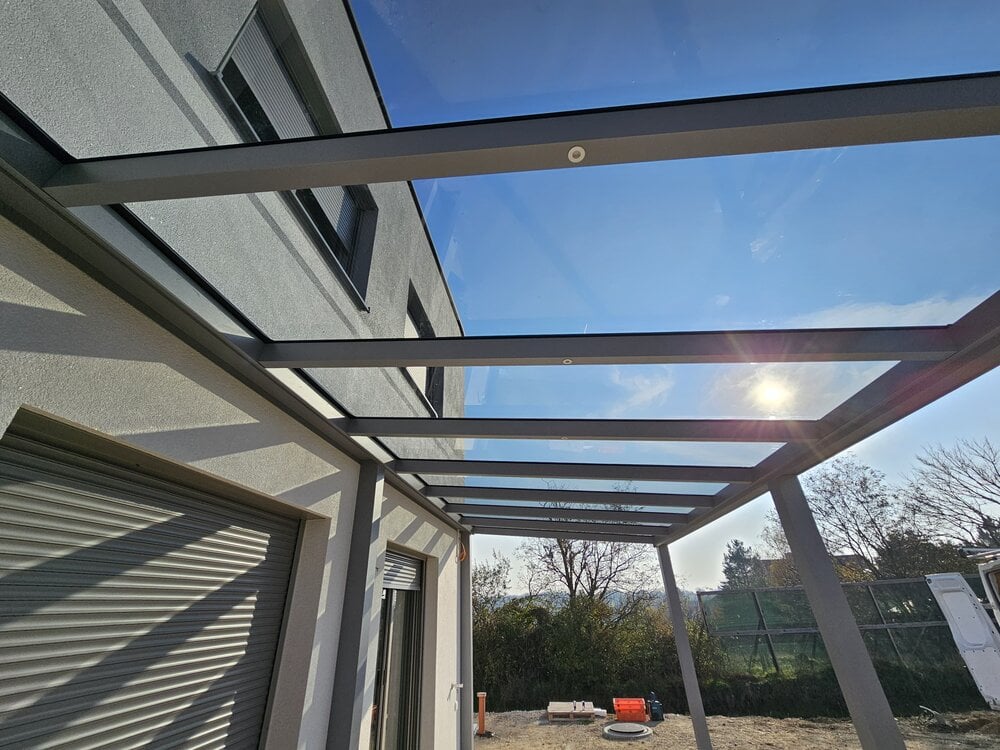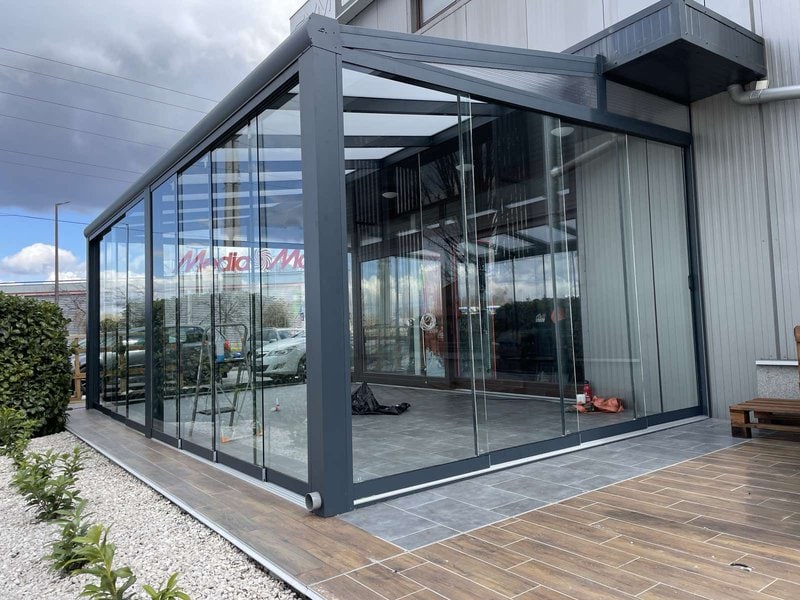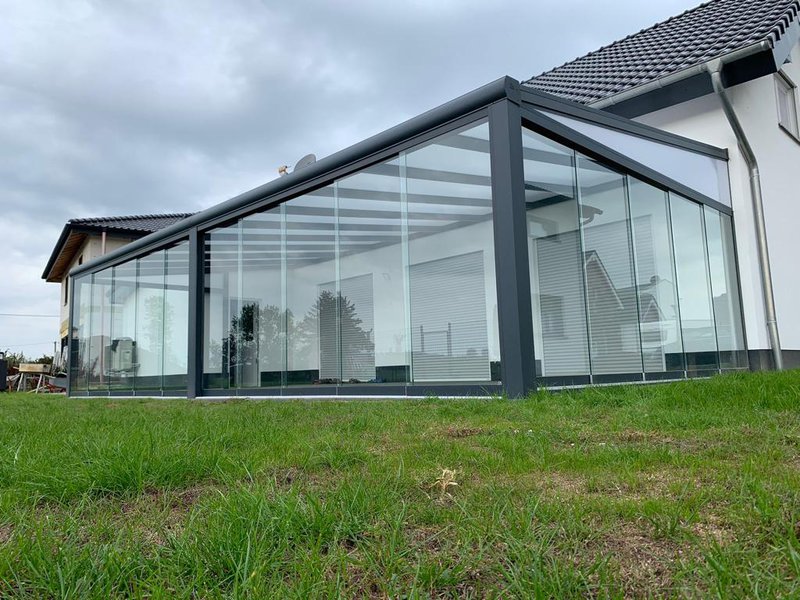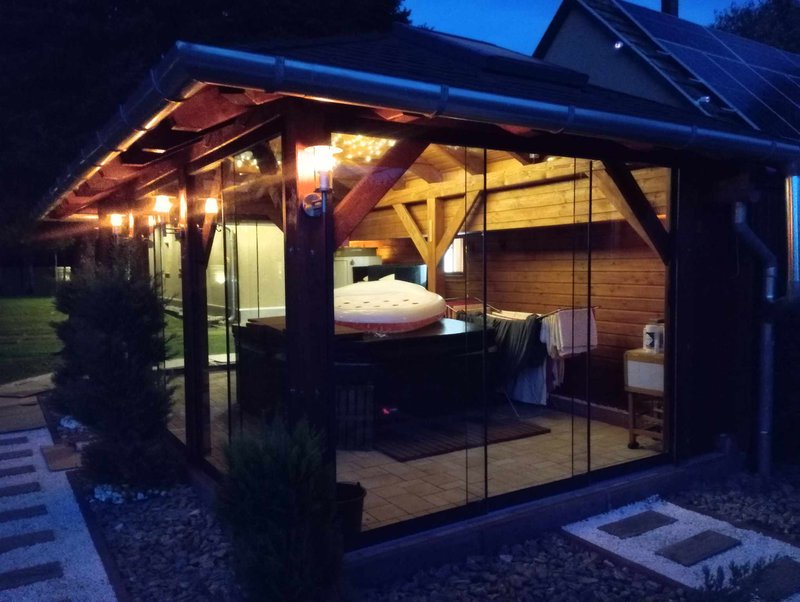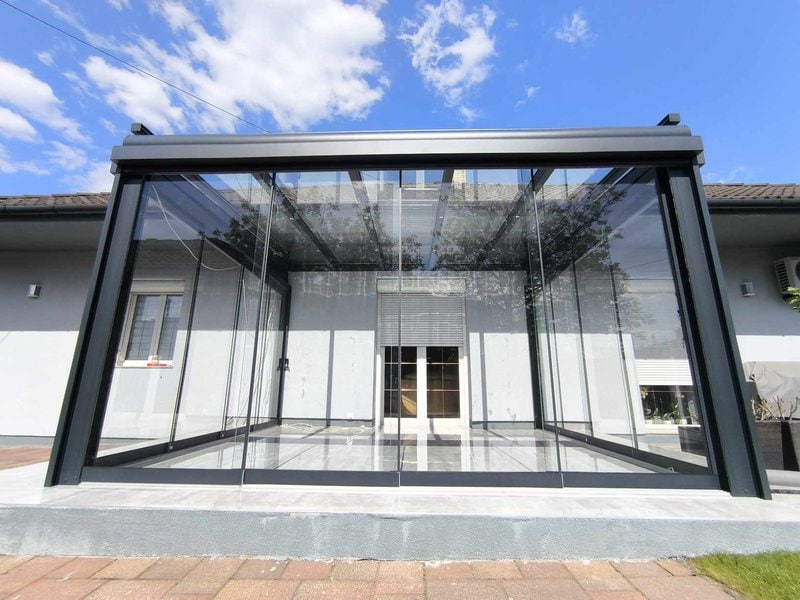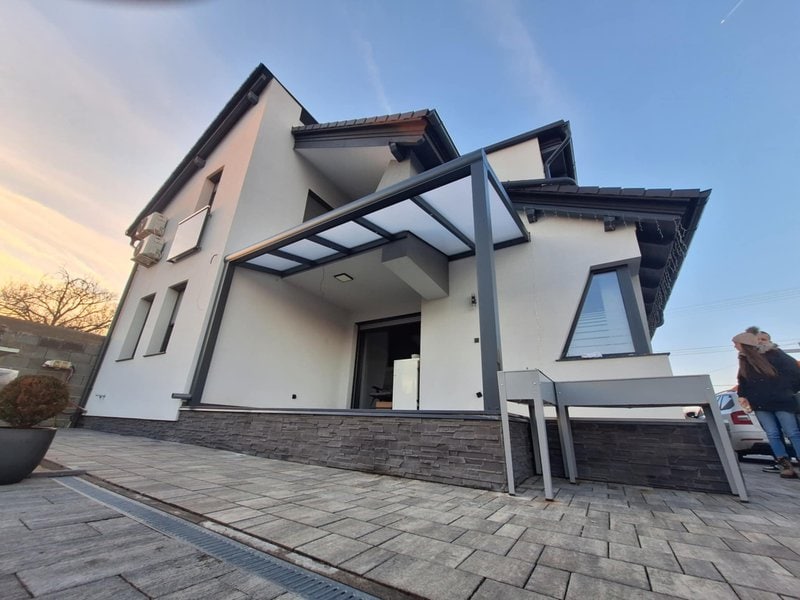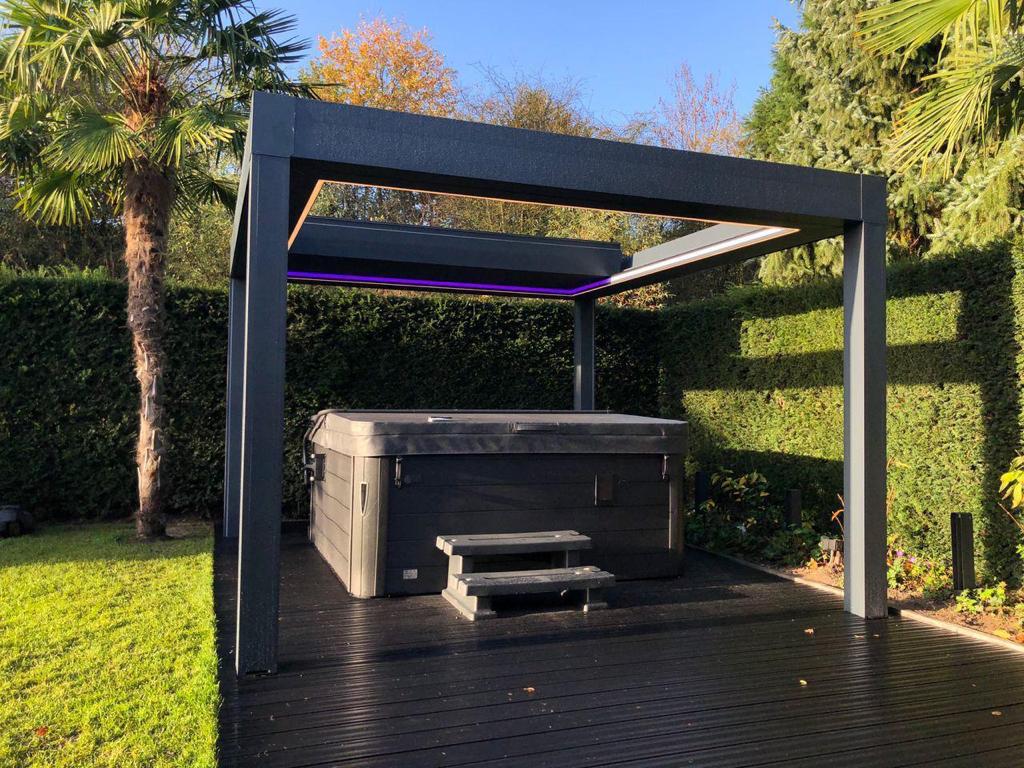
A patio shading an extremely important step towards making our terrace a a comfortable space that can be enjoyed over the long term is possible. However, poor decisions – whether they be regarding sizing, choice of material or the type of sunshade – they can easily make our daily lives a bit of a nightmare, and may even result in extra costs.
The Dream Terrace In our latest post, we’re now presenting 4+1 common mistakes that many people make when shading their patios, so now that you’re armed with this knowledge, you can get started on designing your sunshade!
1. At first glance, it looks like a patio awning, but it does not fulfil that function
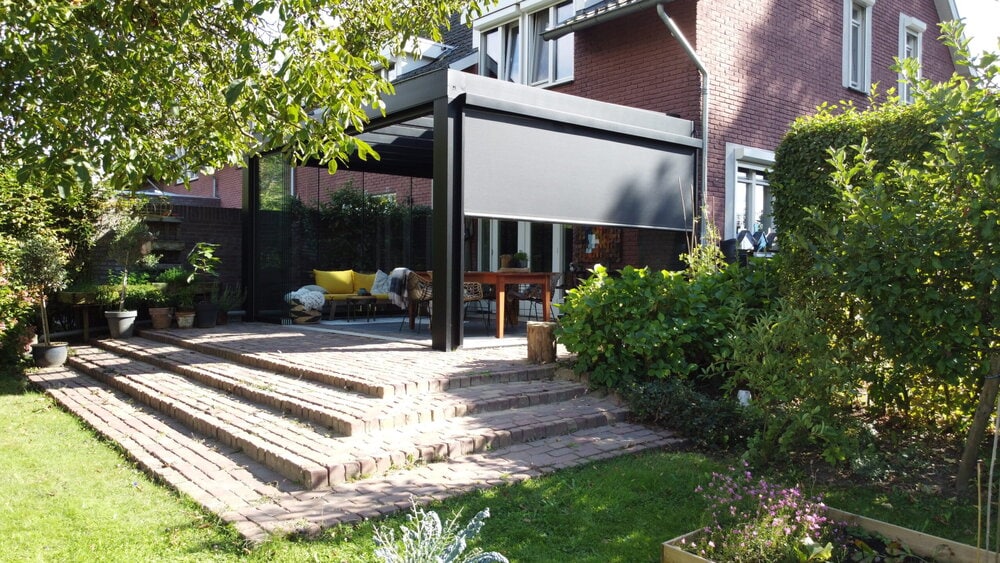
When the shading for the terrace is not designed by professionals (or perhaps by anyone at all), then It is quite possible that you are not, or only partially, meets our needs. A good example of this is:
A family had a simple awning fitted to their south-facing terrace, which had no side shading. In the late afternoons the sun was shining in at just such an angle that the entire terrace has become unusable, as temperatures often exceeded 35 °C.
2. Oversizing or undersizing
It might sound a bit trite at first, but Incorrect sizing is a common – and costly – mistake. Just as not every size of clothes suits us, not just anything will suit our balcony or window either.
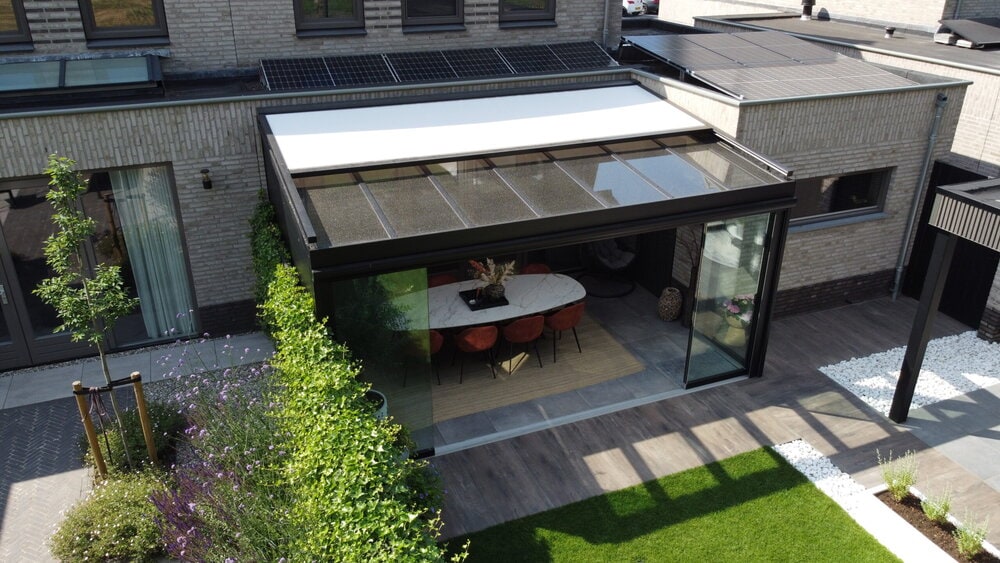
One A sunshade that is too small will not adequately cover the desired area, so it does not provide any real protection from the sun, and a sunshade that’s too big is just a waste of money, since we’re casting a shadow over nothing, or perhaps just the wall of the house.
That is precisely why Accurate surveying and professional execution are extremely important, as this will determine just how effective – and, of course, how attractive – the sunshade will be.
3. Poor quality: when cheaper patio shading ends up costing more
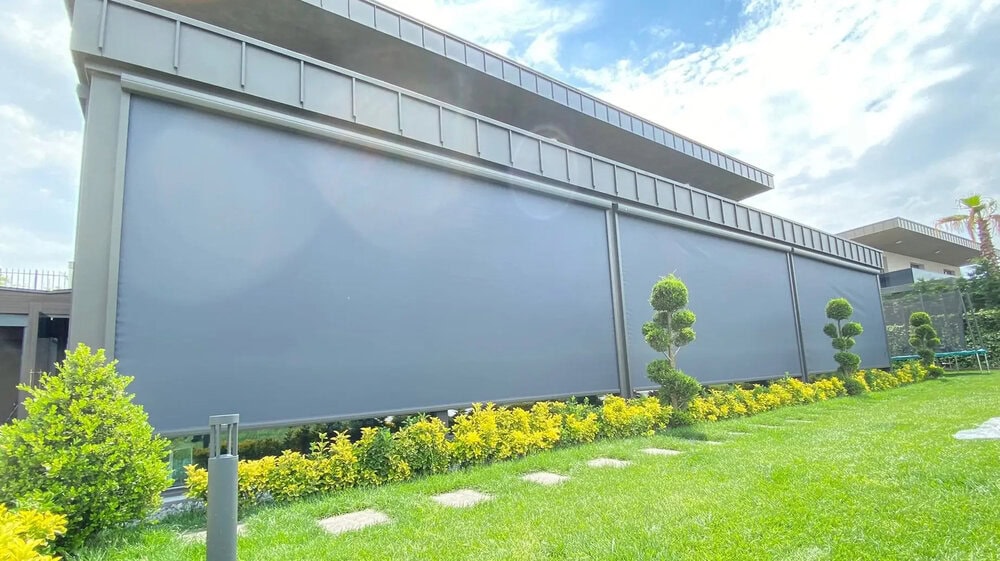
The basis for reliable shading in the long term is the high-quality shading system. A premium-class shading system – such as the one we use ourselves Somfy IO motorised screen blind – not only is it more durable, but it also requires far less maintenance.
This is because cheaper, dubious-quality devices they often cannot withstand the wind, bend, become discoloured or simply do not work properly after just one or two seasons. And if that’s the case, the whole structure may well need replacing.
4. Can only be adjusted manually, or there is no adjustment mechanism at all
Although the static sunshades Whilst they may seem like a good idea at first glance, they are often unable to provide an effective solution. After all, what happens, for example, if we need shade in the morning but more light in the afternoon? With fixed solutions, it is difficult – or impossible – to adapt to changing weather conditions or lighting conditions; moreover, manually adjustable systems in many cases, they are inconvenient and difficult to access.
A bioclimatic pergola It bridges all this perfectly, as this modern terrace roofing solution It gives us a great deal of freedom: We decide when, how much and how we want to let light in.
+1 Cannot be expanded, or retrofitting a control system is not possible
If you do not choose a blind that can be expanded or integrated with other systems (such as a smart home) at a later date, the could lead to serious compromises later on.
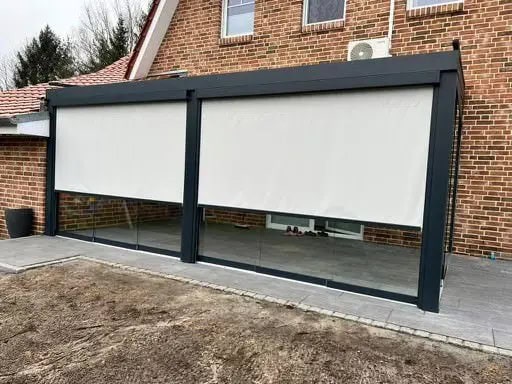
That’s exactly why, if you too like to keep up with the times (and the latest technologies), then It is worth choosing an alternative that is compatible with, for example, smart home solutions – so even if you don’t have the budget for it right now, you can easily integrate it later. A motorised sunblind, for example you can even fit it with wind and light sensors, which reacts automatically to changes in the weather.