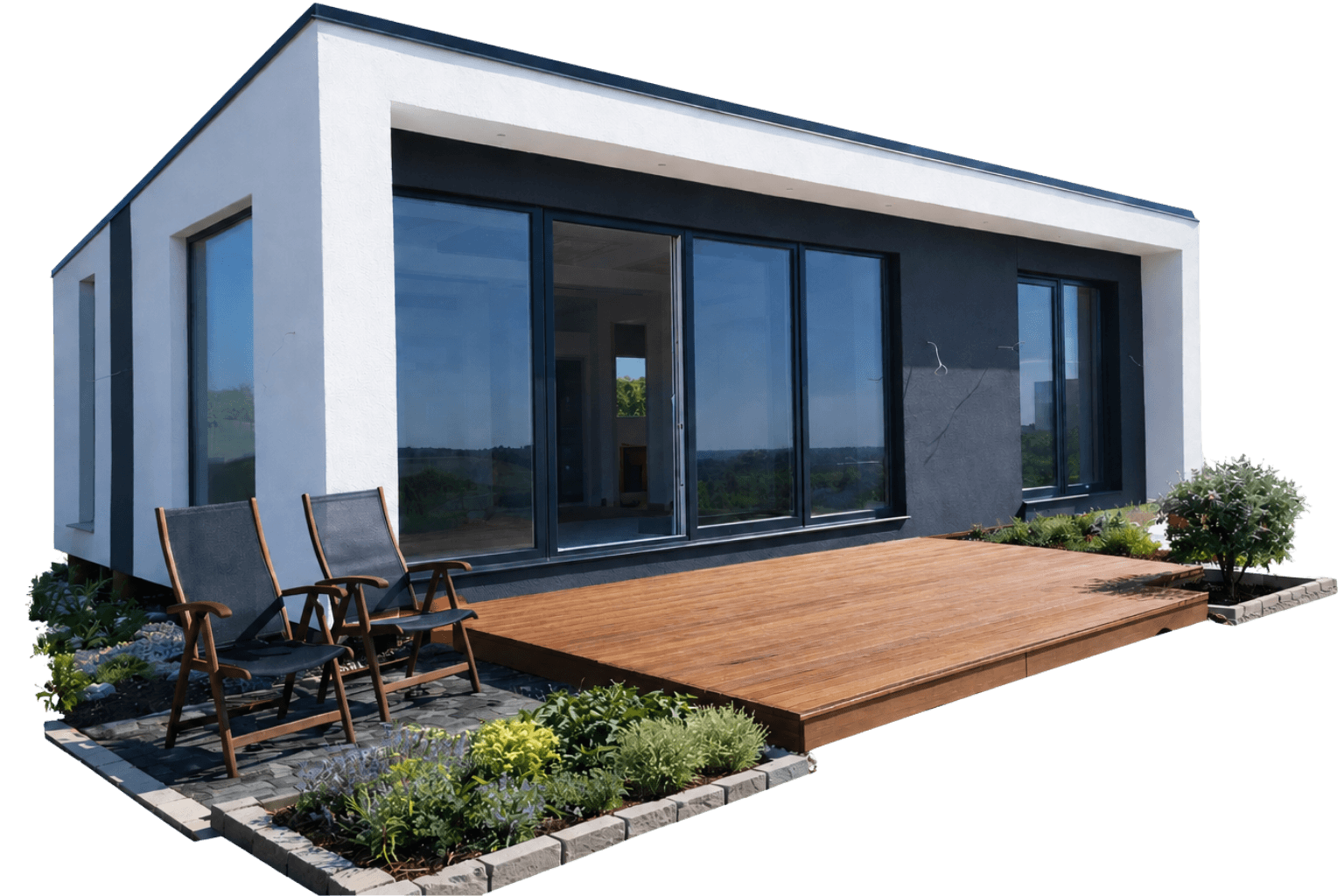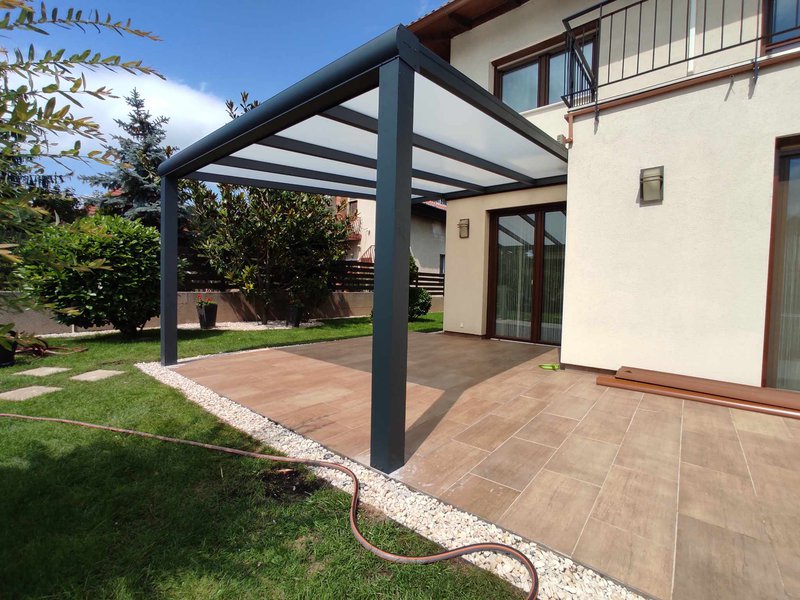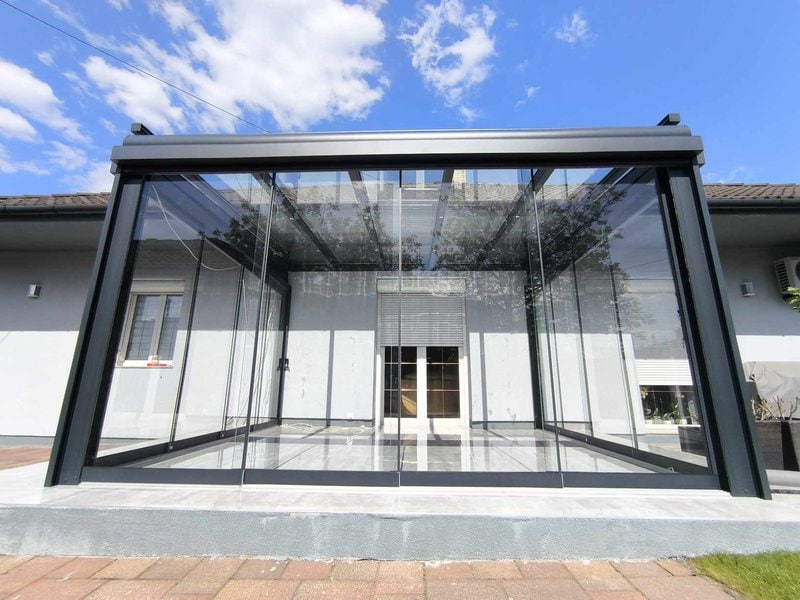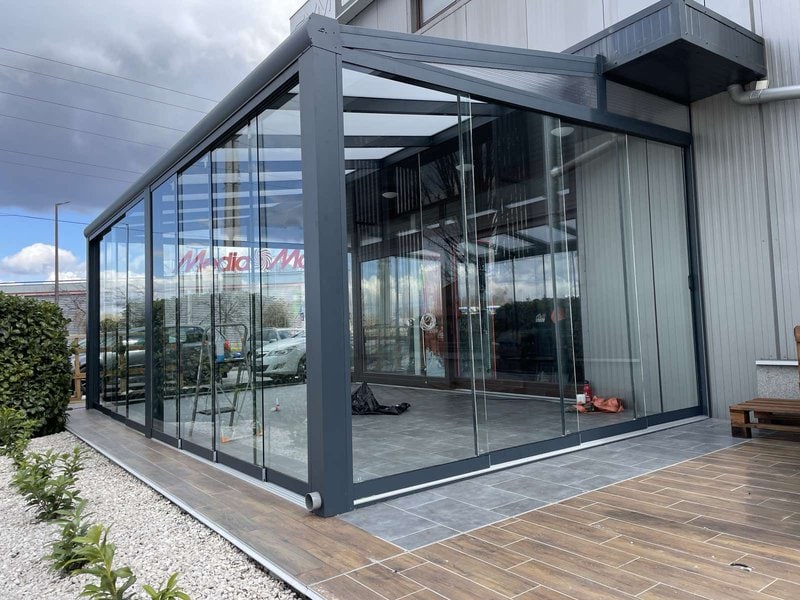
The ideal terrace offers a cosy, homely feel and a sense of being close to nature, which is precisely why it matters how we carry out this project.
If you have already to an existing house We'd like to build the terrace, It is particularly important to pay attention to certain aspects, if we want the completed structure fully meets our needs.
Below, we explain in detail how to a perfect end result to be achieved during the construction of the terrace, so sparing ourselves any future annoyances.
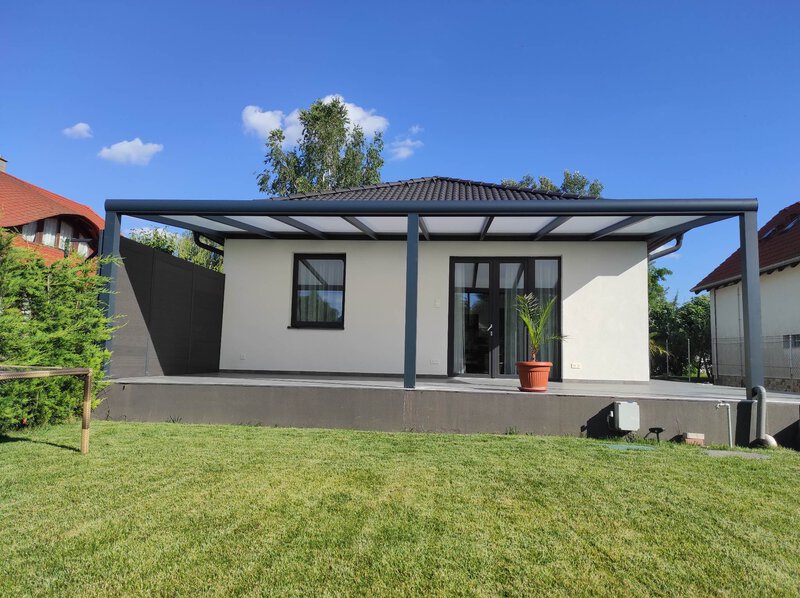
The most important question: what do you want to use the terrace for?
A Retrofitting a terrace It requires thorough preparation, so before we embark on this exciting project, it is worth asking ourselves, what we’d like to use the terrace for.
And although the question may sound trivial at first, This must be of fundamental importance during the planning process, as the dimensions, choice of materials and even whether the terrace is covered depend on the intended purpose, specific requirements and our lifestyle.
After all, it does matter what image we have in our minds of the finished terrace: Some people picture a cosy spot for breakfast in the garden, whilst others would prefer to use this space primarily for larger get-togethers with friends or family barbecues.
In fact, there are even some who would dedicate the terrace specifically to her plants, and wants a built-in version for overwintering his favourites.
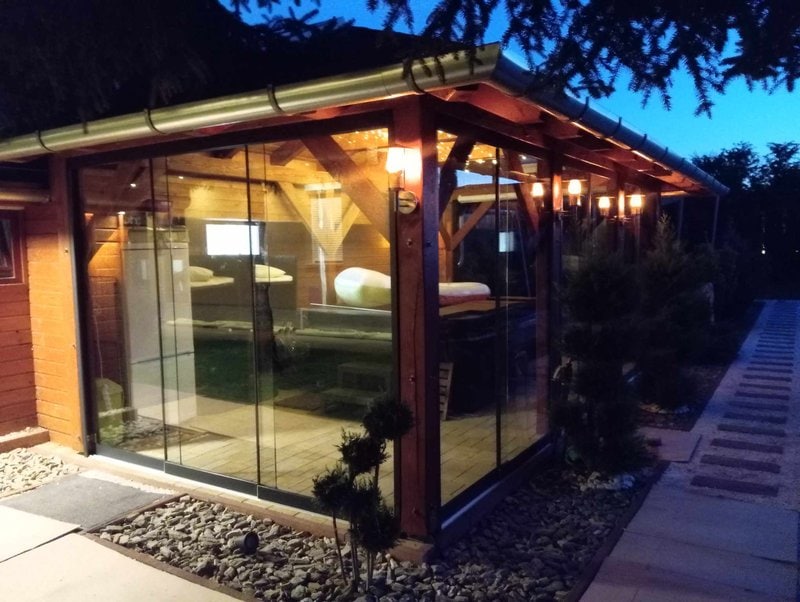
A terrace attached to the house or a separate structure?
A type of terrace, and the right place Choosing the right one is extremely important, as this will fundamentally determine our sense of comfort and our perception of heat.
If we enjoy basking in the sunshine, then It may be advantageous for the terrace to be built onto the sunniest part of the house or to be constructed as a separate structure in a particular part of the garden. Similarly, if we want to make the most of our time on the terrace even in cooler weather, and the conservatory If we decide to do this, we should choose a spot that gets the most sunshine during the longest part of the day (and the year).
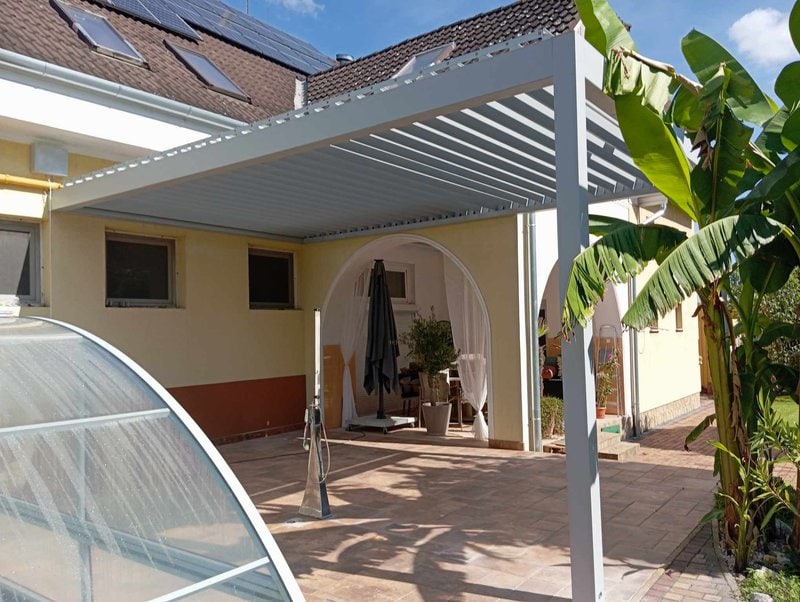
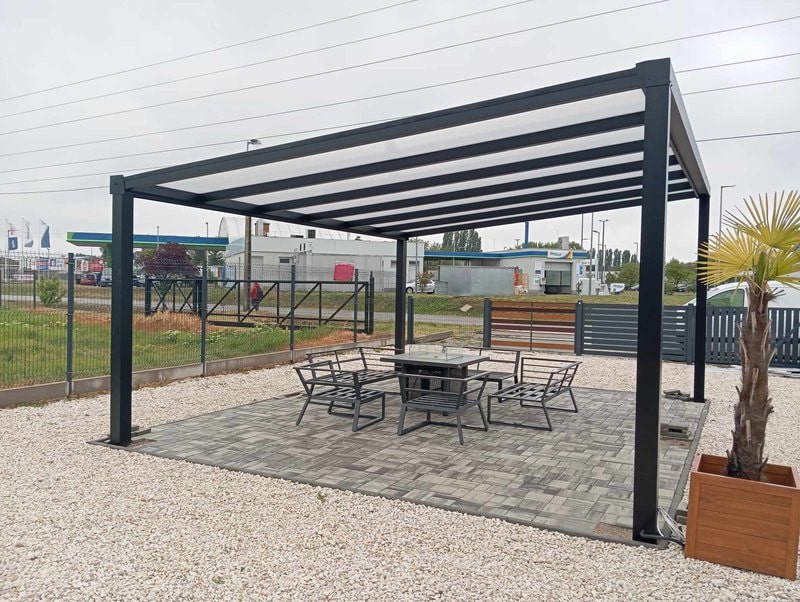
The ideal placement is therefore It depends largely on our needs, as well as the purpose for which the terrace attached to the house is being built.
For example, a south-east-facing terrace provides pleasant morning sunshine, which can be ideal for summer breakfasts or brunches, whilst a south-west-facing terrace is more comfortable in the afternoon and evening, making it perfect for enjoying a glass of wine at sunset.
In light of this, therefore It’s also worth taking a closer look at our own lifestyles, as this is the only way we’ll be able to make the best possible decision regarding the location and type of the terrace.
The quality of the foundations
As in every area of life, Proper foundations are essential here too. This is because, if the foundations are weak, the terrace may crack or shift within a short period of time, which, in addition to aesthetic issues, may even pose a safety risk.
A a sub-base adapted to the ground conditions and properly compacted It minimises the likelihood of problems arising later on, thereby sparing us a great deal of stress and extra costs.
Choice of material: polycarbonate or glass roof?
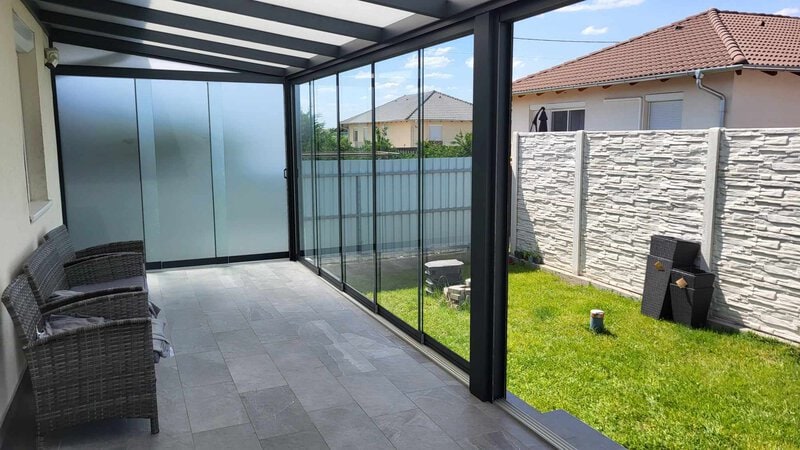
When building a new terrace the choice of materials is also crucial, as this will determine the durability and appearance.
In our previous posts, we’ve already given a few tips on choosing materials; you can read them here: Why should you choose a polycarbonate patio roof? and here Glass-roofed terraces: the main pros and cons
As far as the structure is concerned, we personally we prefer powder-coated aluminium, as this material is virtually maintenance-free, extremely durable and also allows for the installation of a concealed drainage system.
Options for shading and covering
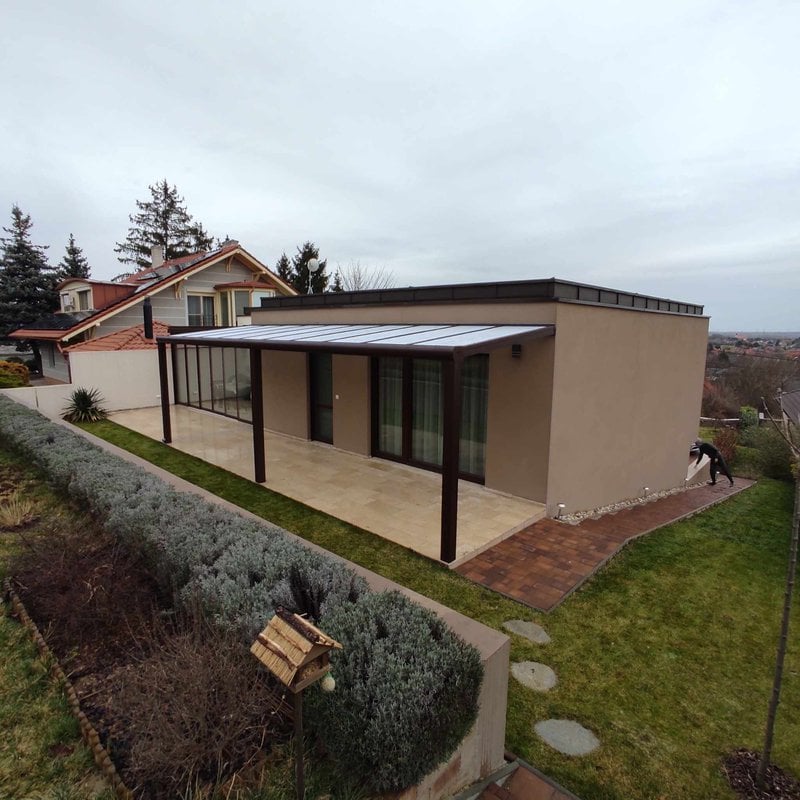
The issue of shading must also be given priority, especially if the terrace is in a sunny spot. Fortunately, there are now plenty of options available to us, such as pergolas, shade nets and louvres.
These brilliant tools they enhance our sense of comfort and protect the patio furniture from direct sunlight, thereby ensuring they have a longer lifespan.
Licensing issues
Many people don’t realise it, but certain planning permissions may be required when building a terrace. In Hungary, regulations may vary depending on the type of terrace you wish to build, as well as the size and structural design of the project.
Before starting the building work, it is worth finding out about the local council’s regulations.